ByJohn A
Chiller-Cooled vs. Ice-Only: Which Cold Plunge Setup Suits You
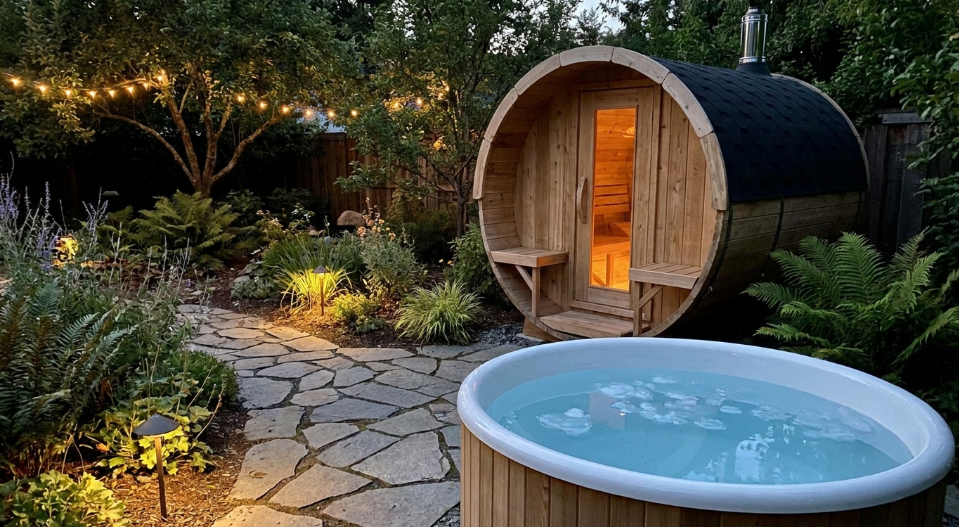
A chiller-cooled cold plunge holds a set temperature automatically, typically in the 39 to 55 degree Fahrenheit range, without ongoing ice purchases, for $2,000 to $6,000 upfront plus modest monthly electricity. An ice-only setup, a stock tub or barrel filled with cold water and ice before each session, costs a few hundred dollars for the tub alone but needs 20 to 40 pounds of ice per session and more hands-on effort. Here is how the two actually compare on the factors that matter most.
1. Upfront Cost
An ice-only setup wins decisively here. A basic insulated tub or a repurposed stock tank runs $150 to $500, and there is no chiller, no electrical work, and no installation beyond finding a level spot for it. A chiller-cooled system costs several thousand dollars more before it ever holds water, which is the single biggest reason people start with ice and upgrade later once they know the routine sticks. Financing or a bundled installation package can close part of that gap on a chiller-cooled unit, but the base hardware cost alone still favors starting simple.
2. Ongoing Cost and Effort
This is where the math flips. Twenty to forty pounds of ice per session, several times a week, adds up to real recurring cost, often $30 to $80 a month depending on local ice prices and session frequency, on top of the physical effort of hauling and dumping bags before every use. A chiller-cooled tub costs $15 to $40 a month in electricity and largely runs itself once it is dialed in, trading a lower upfront number for less weekly labor and a more predictable monthly bill. Buying ice in bulk from a warehouse club instead of a convenience store cuts the per-session cost meaningfully, though it adds a supply run to the weekly routine that a chiller-cooled setup eliminates entirely.
3. Temperature Consistency
A chiller holds its target temperature within a degree or two automatically, session after session, regardless of outdoor conditions. An ice bath’s temperature depends on how much ice goes in, how long it has been sitting, and ambient air temperature, which means two sessions rarely hit exactly the same number unless someone is measuring carefully every time. For anyone trying to follow a specific protocol consistently, that variability is a real limitation of the ice-only approach. A cheap floating thermometer closes most of that gap for a fraction of a chiller’s cost, though it still requires someone to actually check it and adjust the ice each time.
4. Convenience for Daily Use
A chiller-cooled tub is ready whenever someone wants it, no prep beyond checking the display. An ice-only setup needs planning: buying or making enough ice ahead of time, filling the tub, and dealing with runoff and cleanup afterward. For occasional or weekend use, that prep is a minor inconvenience. For someone aiming to use cold immersion four or more times a week, the daily friction of the ice route is often what causes the habit to drop off within a few months.
5. Where Each Setup Actually Makes the Most Sense
Ice-only makes the most sense for someone testing whether they will actually stick with a cold plunge routine before spending thousands of dollars, or for occasional use once or twice a week where the extra effort is manageable. A chiller-cooled setup makes more sense for daily or near-daily use, for households with more than one person using the tub, or for anyone who has already tested the routine with ice and knows they want it to stay part of a regular schedule. Renters and anyone unsure they will keep up the habit past a few months have the least to lose by starting with the cheaper option first. Shoppers moving from testing to committing can compare chiller specs and tub sizing at SweatDecks.com and a few other specialty sellers before deciding which capacity actually fits their space and household.
6. What Does the Research Say Regardless of Which Setup You Choose?
The evidence behind cold-water immersion is about water temperature and immersion duration, not about the equipment used to get there. A 2012 Cochrane review associated cold-water immersion with reduced perceived muscle soreness after exercise, and a 2023 meta-analysis in Frontiers in Physiology found a similar modest association with short-term recovery, neither study distinguishing between a chiller-cooled system and a well-executed ice bath. A broader 2025 systematic review and meta-analysis in PLoS One pooling wellbeing outcomes found the overall evidence mixed rather than uniformly positive. Whichever setup someone chooses, hitting and holding an actual cold temperature consistently matters more to the research than which equipment gets them there. Someone who abandons a poorly chilled ice bath out of frustration with inconsistent temperatures gets none of that association either, which is its own argument for whichever setup someone will actually keep using.
7. Noise, Upkeep, and Long-Term Flexibility
A chiller adds a low compressor hum that runs intermittently, comparable to a window air conditioner or a large refrigerator, worth checking in person or against a decibel spec if the tub sits near a bedroom window or a shared property line. An ice-only setup is silent by comparison: no motor, no compressor, nothing running when it is not in use. On upkeep, a chiller-cooled system needs occasional filter cleaning and periodic service like any refrigeration equipment, while an ice-only tub’s main upkeep is water changes and cleaning the shell itself. Long-term flexibility favors starting with ice. A well-built ice-only tub can often have a chiller added later if the routine sticks, while going the other direction, removing a built-in chiller system to simplify, is rarely worth the trouble once it is installed.
Frequently Asked Questions
Is an ice-only cold plunge as effective as a chiller-cooled one? The research is about water temperature and duration rather than equipment type, so a properly cold ice bath delivers a comparable physiological input to a chiller-cooled tub.
How much ice does a cold plunge session actually need? Roughly 20 to 40 pounds per session for a single-person tub, depending on starting water temperature and how cold the target temperature is.
Does a chiller pay for itself compared to buying ice regularly? For frequent users, several times a week, ongoing ice costs can approach or exceed a chiller’s monthly electricity cost within a year or two, though the chiller’s upfront cost is much higher.
Can you switch from ice to a chiller later? Many tubs can have a chiller added after the fact, though it depends on the specific tub’s compatibility with add-on cooling units, which is worth checking before buying an ice-only tub with future upgrades in mind.
References
- Cold-water immersion (cryotherapy) for preventing and treating muscle soreness after exercise, Cochrane Database of Systematic Reviews, 2012
- Effects of cold water immersion after exercise on fatigue recovery and exercise performance: meta analysis, Frontiers in Physiology, 2023
- Effects of cold-water immersion on health and wellbeing: A systematic review and meta-analysis, PLoS One, 2025