ByJohn A
Discover Non Surgical Fibroid Treatment for Lasting Fibroid Relief Today
Uterine fibroids are one of the most common gynecological conditions affecting women during their reproductive years. While many fibroids remain small and symptom-free, others can lead to heavy menstrual bleeding, pelvic pain, frequent urination, bloating, and fertility challenges. Traditionally, surgery was considered the primary treatment option for symptomatic fibroids. However, advances in modern medicine have introduced effective non surgical fibroid treatment options that help women achieve lasting relief while preserving the uterus and reducing recovery time.
If you’re exploring alternatives to surgery, understanding the available treatment methods, their benefits, and how they work can help you make an informed healthcare decision.
Understanding Uterine Fibroids
Uterine fibroids, also called leiomyomas or myomas, are non-cancerous growths that develop within or around the uterus. They vary greatly in size, number, and location. Some women may have a single fibroid, while others develop multiple growths.
Fibroids can be classified into several types:
- Intramural fibroids that grow within the uterine wall
- Subserosal fibroids that grow on the outer surface of the uterus
- Submucosal fibroids that develop inside the uterine cavity
- Pedunculated fibroids attached by a stalk
Although fibroids are generally benign, they can significantly affect quality of life when symptoms become severe.
See also: Essential Features to Look for in Rubbish Bins
Common Symptoms of Fibroids
Symptoms vary depending on the size and location of the fibroids. Many women experience:
- Heavy or prolonged menstrual bleeding
- Pelvic pressure or pain
- Lower back discomfort
- Frequent urination
- Constipation
- Pain during intercourse
- Abdominal enlargement or bloating
- Difficulty becoming pregnant in some cases
Women experiencing persistent symptoms should consult a healthcare professional for proper diagnosis and personalized treatment planning.
Why Consider Non Surgical Fibroid Treatment?
Many women prefer to avoid surgery because of concerns about hospital stays, lengthy recovery, anesthesia, or preserving fertility. Modern non surgical fibroid treatment options provide an effective alternative for eligible patients.
Key Benefits Include
- Minimal or no incisions
- Faster recovery
- Lower risk of complications
- Reduced pain after treatment
- Preservation of the uterus in many cases
- Shorter hospital stay or outpatient treatment
- Quick return to daily activities
These benefits have made minimally invasive treatments increasingly popular among women seeking long-term symptom relief.
Who Is a Good Candidate?
Non surgical treatments may be suitable for women who:
- Have symptomatic fibroids
- Wish to preserve their uterus
- Want to avoid major surgery
- Are not ideal candidates for surgical procedures
- Experience heavy menstrual bleeding or pelvic discomfort
- Have fibroids that are appropriate for minimally invasive treatment
Your healthcare provider will determine eligibility based on imaging studies, medical history, symptom severity, and reproductive goals.
Types of Non Surgical Fibroid Treatment
Several advanced treatment options are now available depending on the patient’s condition.
Uterine Fibroid Embolization (UFE)
Uterine Fibroid Embolization is one of the most widely used non surgical treatments for fibroids. During this minimally invasive procedure, a specialist inserts a thin catheter into an artery and delivers tiny particles that block the blood supply to the fibroids.
Without adequate blood flow, the fibroids gradually shrink over time, reducing symptoms significantly.
Advantages of UFE
- No large surgical incision
- Usually performed under local anesthesia
- Short recovery period
- Effective reduction in heavy bleeding
- Significant improvement in pelvic pain
- High patient satisfaction
Many women return to their regular activities within one to two weeks.
MRI-Guided Focused Ultrasound
MRI-guided focused ultrasound uses high-intensity ultrasound waves to heat and destroy fibroid tissue without making any incision.
The MRI scanner allows physicians to precisely target fibroids while protecting surrounding healthy tissue.
Benefits
- Completely non-invasive
- No hospitalization
- Quick recovery
- Minimal discomfort
- Preserves the uterus
This treatment is suitable only for selected patients depending on fibroid size and location.
Medication-Based Treatment
Certain medications can temporarily control fibroid symptoms or reduce fibroid size.
Common options include:
- Hormonal therapies
- Gonadotropin-releasing hormone (GnRH) agonists
- GnRH antagonists
- Birth control pills for bleeding control
- Anti-inflammatory medications for pain relief
While medications help manage symptoms, they usually do not permanently eliminate fibroids. They are often used before other treatments or during the transition to menopause.
How Is Fibroid Diagnosis Performed?
Accurate diagnosis is essential before choosing the most appropriate treatment.
Your physician may recommend:
Pelvic Examination
A routine pelvic examination helps detect enlargement or irregularities in the uterus.
Ultrasound
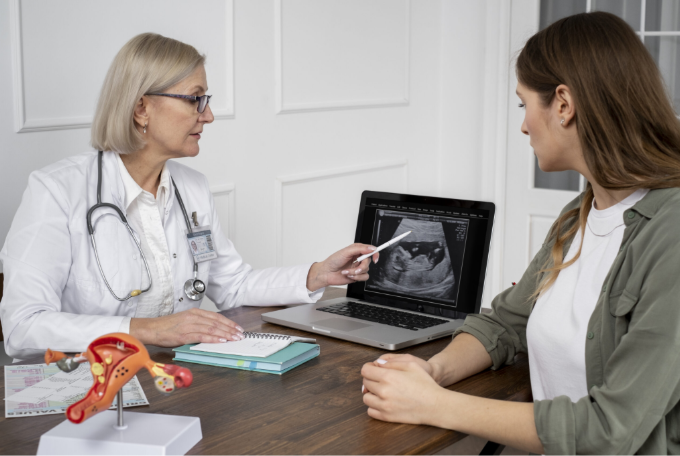
Ultrasound remains one of the most common imaging techniques for identifying fibroids and determining their size and location.
MRI Scan
MRI provides detailed images that assist physicians in planning minimally invasive procedures like UFE or focused ultrasound.
Blood Tests
Blood tests may identify anemia caused by heavy menstrual bleeding associated with fibroids.
What to Expect During Treatment
Although each procedure differs, the general process includes:
Initial Consultation
Your doctor reviews your symptoms, medical history, and imaging results before discussing available treatment options.
Treatment Planning
The best treatment is selected based on:
- Fibroid size
- Number of fibroids
- Location
- Future pregnancy plans
- Overall health
Procedure
Most minimally invasive procedures require only a few hours and involve minimal discomfort.
Recovery
Recovery varies depending on the treatment method, but many women resume normal activities much sooner than after traditional surgery.
Recovery After Non Surgical Fibroid Treatment
Recovery is typically faster compared to surgical procedures like hysterectomy or myomectomy.
Patients may experience:
- Mild pelvic cramping
- Temporary fatigue
- Light spotting
- Minor discomfort for a few days
Most women notice gradual improvement in symptoms over the following weeks and months as fibroids shrink.
Following your physician’s post-treatment instructions helps ensure optimal recovery.
Lifestyle Tips to Support Fibroid Health
Although lifestyle changes cannot completely eliminate fibroids, healthy habits may help support overall reproductive health.
Eat a Balanced Diet
Focus on:
- Fresh fruits
- Vegetables
- Whole grains
- Lean proteins
- Iron-rich foods if heavy bleeding has caused anemia
Reducing processed foods and excessive sugar intake may contribute to overall wellness.
Maintain a Healthy Weight
Some studies suggest maintaining a healthy body weight may reduce certain hormonal factors associated with fibroid growth.
Exercise Regularly
Regular physical activity supports hormone balance, cardiovascular health, and weight management.
Aim for moderate exercise several times each week after consulting your healthcare provider.
Manage Stress
Stress management techniques such as meditation, yoga, deep breathing, and adequate sleep support overall health and well-being.
Advantages Compared with Traditional Surgery
Many women compare minimally invasive procedures with surgical treatments before making a decision.
Non Surgical Treatment
- No major incision
- Shorter recovery
- Less postoperative pain
- Lower infection risk
- Often preserves the uterus
- Faster return to work
Traditional Surgery
- Longer hospital stay
- Larger incision in some procedures
- Extended recovery
- Higher surgical risks
- Greater postoperative discomfort
However, surgery may still be recommended for very large fibroids or specific medical situations. A qualified specialist can determine the most suitable approach.
When Should You See a Doctor?
Seek medical evaluation if you experience:
- Heavy menstrual bleeding that affects daily life
- Pelvic pain lasting several weeks
- Rapid abdominal enlargement
- Difficulty emptying your bladder
- Persistent constipation caused by pelvic pressure
- Fertility concerns
- Severe menstrual cramps that do not improve
Early diagnosis often expands the range of treatment options available.
Frequently Asked Questions
Is non surgical fibroid treatment permanent?
Many minimally invasive treatments provide long-lasting symptom relief. However, individual outcomes vary, and new fibroids may develop over time in some women.
Can fibroids return?
Treated fibroids usually shrink permanently, but untreated or newly developing fibroids may appear later, especially before menopause.
Is fertility preserved?
Some non surgical treatments preserve the uterus, but their impact on future pregnancy depends on the treatment type and individual circumstances. Women planning pregnancy should discuss fertility goals with their healthcare provider before treatment.
Is hospitalization required?
Many non surgical procedures are performed on an outpatient basis or require only a short hospital stay.
Conclusion
Living with symptomatic fibroids can interfere with daily activities, emotional well-being, and overall quality of life. Fortunately, advances in modern medicine have made non surgical fibroid treatment a safe and effective option for many women seeking lasting relief without major surgery.
From uterine fibroid embolization and MRI-guided focused ultrasound to medication-based management, today’s treatment options offer personalized solutions based on each woman’s symptoms, health status, and future reproductive goals. Consulting an experienced healthcare provider is the first step toward determining the most appropriate treatment plan.
With timely diagnosis, expert guidance, and the right minimally invasive approach, many women can successfully reduce fibroid symptoms, recover quickly, and enjoy a healthier, more comfortable life while avoiding traditional surgery whenever appropriate.